The Global RAM Shortage: How AI Demands Are Driving Up Prices
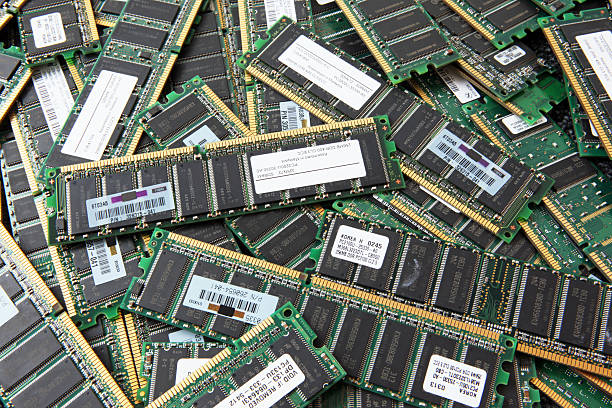
Random Access Memory (RAM) is ubiquitous in modern technology, powering everything from personal devices to massive data centers. However, an escalating global shortage is reshaping the landscape, heavily influenced by the booming demand from artificial intelligence (AI) companies.
AI Companies & the Shift in RAM Production
Major memory manufacturers—Samsung, SK Hynix, and Micron—are redirecting their resources away from consumer electronics and toward AI data centers. This surge in demand for DRAM memory used in AI infrastructure is causing a significant reduction in supply for consumers.
> “DRAM is embedded in nearly every facet of our digital society, from smartphones and laptops to cars and smart TVs,” notes Jeff Janukowicz, a research VP at IDC.
The competition for memory chips has intensified, altering supply chains and pricing structures across industries.
Rising Prices and Market Impact
Cost hikes for consumers and manufacturers
The impact is immediate: PC builders are already experiencing increased costs, with some companies like Raspberry Pi raising product prices to offset expenses. For example:
- The price of RAM modules has tripled within just three months.
- Corsair and other retailers are now selling RAM at fluctuating market prices, sometimes comparable to seafood prices.
Price hikes for prebuilt systems
Custom PC manufacturers—including CyberPowerPC and Maingear—are adjusting their system prices. CyberPowerPC announced planned increases starting December 7th, citing a 500% hike in RAM costs and a 100% rise in SSD prices.
Notable examples:
- Raspberry Pi increased its prices by up to $25 on various models.
- Memory prices have surged so much that some prebuilt PCs are sold with no RAM included, urging consumers to bring their own.
Future Outlook: Persistent Shortages
Industry experts warn of prolonged scarcity
Micron's CEO, Sanjay Mehrotra, predicts that tight conditions will extend into at least 2026, driven by ongoing AI infrastructure expansion.
> “The shortages are likely to persist beyond 2026, with demand for high-bandwidth memory in AI expanding exponentially,” he explained.
Financial implications for giants like Samsung
Samsung's memory division now earns nearly twice as much as its television and appliance sectors combined, underlining the strategic importance of memory chips in global electronics.
Conclusion: A Temporary but Tense Situation
While companies like Raspberry Pi anticipate that the memory price hikes are temporary, the current trend suggests that the RAM shortage will influence costs across the technology industry for the foreseeable future. Consumers and manufacturers alike should prepare for higher prices and limited supply as AI continues to be the primary driver of demand.
Stay tuned for updates on this evolving story.