Waymo outlines a 3,500-vehicle robotaxi fleet for 2026, with expansion plans and a next-gen Driver
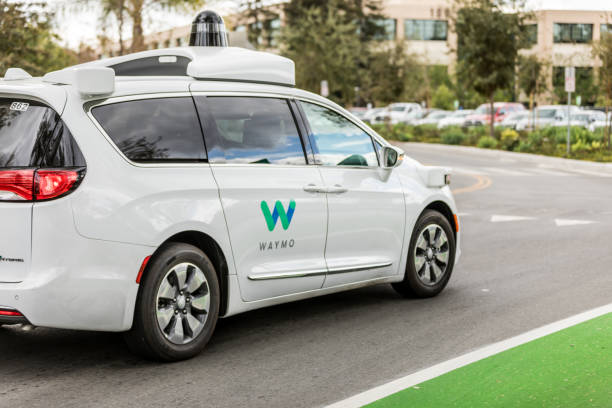
Waymo has revealed new fleet-size details in a blog post, showing the scale of its current operations and the trajectory for 2026. The company says about 1,500 Jaguar I-Pace units are already deployed across four markets—San Francisco, Los Angeles, Phoenix, and Austin—with plans to add roughly 2,000 more next year, bringing the total to around 3,500 vehicles. The fleet is delivering approximately 250,000 paid rider trips each week.
Waymo rarely discloses fleet counts, so this update provides a rare glimpse into the number of robotaxis in active service. The expansion aligns with the company’s broader strategy to roll out services in Atlanta, Miami, and Washington, DC in 2026.
The Jaguar I-Pace has served as Waymo’s primary vehicle since it retired the Chrysler Pacifica minivans in 2023. An earlier target of 20,000 I-Paces operating as robotaxi cars appears unlikely to be reached. The company is also testing two new models—the Hyundai Ioniq 5 and the Zeekr RT minivan—but hasn’t announced when they will join the fleet.
Waymo builds its robotaxis with Magna International at a 239,000-square-foot facility in Mesa, Arizona. The final batch of Jaguar I-Paces will be assembled there, supporting operations into the next year. Starting in 2026, Waymo plans to begin work on its sixth-generation “Waymo Driver,” which will be deployed in the Zeekr RT. Zeekr is a Geely subsidiary, and the new vehicle design is developed in Sweden (home to Volvo) before being adapted for Waymo’s system.
The Arizona-built robotaxi program involves importing Zeekr-based vehicles to the Mesa plant, where they are outfitted with the necessary autonomous hardware and software. The first test vehicles began arriving in the United States last year.
To accommodate multiple vehicle platforms, Waymo says the Mesa factory will add automated assembly lines and other efficiencies over time. At full capacity, the company expects to produce tens of thousands of robotaxis annually. Waymo has introduced new end-of-line processes for passenger validation and commissioning to ensure each vehicle is ready to accept riders as soon as it leaves the factory. Waymo also notes that vehicles can begin serving passengers within about 30 minutes of completion.
The company’s publicizing of its growth comes as competing efforts intensify. Tesla is preparing its own robotaxi service launch in Texas and California later this year, while Alphabet continues pursuing a broader mobility strategy, including a partnership with Toyota to explore opportunities for selling autonomous vehicles to consumers for personal ownership.
Key takeaways
- Current: ~1,500 Jaguar I-Pace robotaxis in SF, LA, Phoenix, and Austin
- Target: +2,000 more in 2026 → ~3,500 total
- Weekly rider trips: ~250,000
- Primary vehicle since 2023: Jaguar I-Pace (Pacifica retirement)
- New tests: Hyundai Ioniq 5 and Zeekr RT minivan (no deployment date yet)
- Assembly: Magna International, Mesa, AZ, 239,000 sq ft
- 2026 milestone: Sixth-generation Waymo Driver for Zeekr RT
- Efficiency: Automated lines and passenger-validation steps to enable rider-ready vehicles on departure