Xbox Goes Multi-Platform: PlayStation Sees Major Microsoft Titles Top April Charts
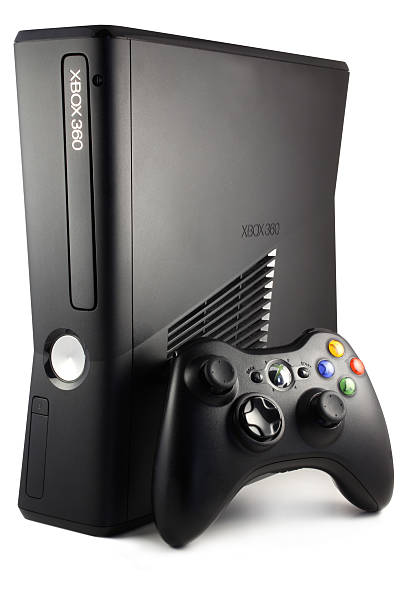
More than a year since Microsoft signaled it would start bringing its games to rival platforms, the approach appears to be picking up momentum on PlayStation. Sony published its PS5 monthly download leaders for April, and the top three titles in both Europe and North America were Microsoft-published games: Minecraft, the Oblivion remaster, and Forza Horizon 5 led the pack, with Indiana Jones and the Great Circle and Call of Duty: Black Ops 6 also appearing high on the list. 
While there were no sales figures attached, the broader takeaway is clear: players gain access to major releases on more platforms, a shift that mirrors a longer-term realignment among platform holders. Nintendo remains heavily reliant on its Switch legacy and first-party lineups, but Microsoft and Sony have been quietly steering toward distribution strategies that don’t hinge on exclusive hardware sales as the sole driver. Sony, for its part, has leaned into PC releases for big-name titles such as Spider-Man 2 and The Last of Us Part II after their PlayStation debuts, with the aim of eventually drawing players back to the console ecosystem.
Microsoft’s move has unfolded more gradually, but with increasing breadth. The company began with a quartet of smaller games, including Grounded and Hi-Fi Rush, and rolled out to both PlayStation and Nintendo platforms. At the time, Xbox chief Phil Spencer stressed that this wasn’t about slamming a dam open and promising a flood of every title, but a measured approach that managed expectations on other platforms. Nevertheless, the dam seems to have started giving way. Major Xbox releases such as Age of Empires and Indiana Jones have found their way to PS5, and several others—Doom, Gears, and The Outer Worlds 2—are on track for Sony’s console as well. While not every first-party Xbox title has been announced for PlayStation (Avowed, South of Midnight, and Starfield remain Xbox exclusives for now), many marquee titles, including Gears, have crossed over at least in part.
This seems to reflect Microsoft’s ongoing experimentation with how different genres perform on various platforms. With hardware sales no longer the sole focus, the performance of these cross‑platform releases has become a key metric for success. The broader takeaway is that the company is testing boundaries to see how far Xbox can reach across screens. The long-term aspiration, as described by Spencer in earlier discussions, is a future where “every screen is an Xbox,” and the current chart activity on PlayStation suggests that vision is already taking root beyond Xbox real estate.
If you’re following this trend, keep an eye on how Sony’s PC strategy and Microsoft’s cross‑platform experiments influence future release plans and platform partnerships. The evolving landscape looks less about exclusive hardware and more about reaching players wherever they are.