HP: RAM costs surge as memory now dominates PC BOM, effectively doubling its share
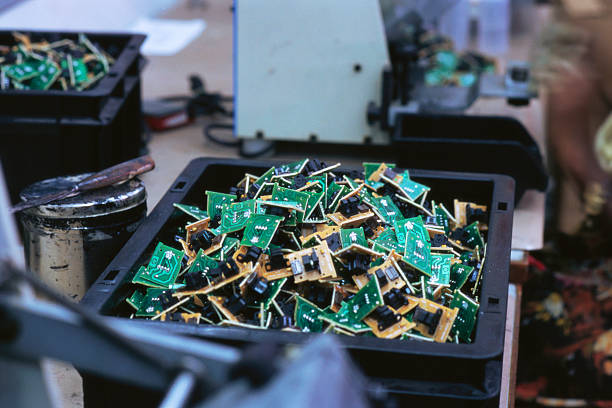
HP has signaled a dramatic shift in how PC components are priced, revealing in its Q1 2026 update that system RAM now accounts for roughly 35% of a PC’s total bill of materials. That figure sits well above the 15–18% range HP cited previously, implying that memory costs have effectively doubled in the current budgeting cycle.
In the quarter just past, HP noted that RAM’s slice of the BOM rose from the mid-teens to about a third of the total hardware cost. The company pointed to memory pricing trends as a key driver of this change, driven by higher DDR5 prices and ongoing supply constraints as 2026 unfolds.
HP’s interim CEO Bruce Broussard emphasized that the company remains focused on securing supply, stating that HP has long-term contracts in place for the year, has qualified new suppliers, and has built strategic inventories for critical platforms. He also noted that HP has shortened the material qualification timeline by half to accelerate product configuration updates.
Context around the industry suggests HP is not alone in facing RAM-driven cost pressures. Lenovo, the world’s second-largest PC maker, has already warned about rising memory prices affecting consumer machines. Some observers have speculated that HP could be exploring cheaper memory sources from Asian manufacturers to stabilize supply, including efforts to diversify beyond established suppliers.
Broussard’s remarks about “configuring our products and shaping demand to align with the supply we have” have been read as a potential pivot toward more cost-conscious configurations—such as laptops offering 8GB of RAM in mainstream lines—to help rein in prices, even if that comes at the expense of future-proofing.
The RAM crunch underscores a broader challenge for the PC industry: memory components, particularly DDR5, are becoming a cost bottleneck even for major manufacturers with substantial inventories and established supply chains. As 2026 progresses, both producers and consumers may feel the ripple effects of tighter RAM supply and higher module prices.