Lee Cronin's The Mummy Review: A House-Horror Spin That Strays from the Classic Myth
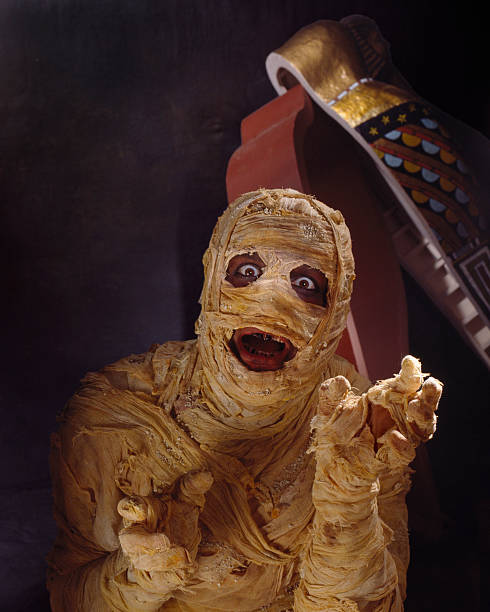
Lee Cronin’s The Mummy arrives under the Blumhouse-Warner Bros. banner with a promise of fresh scares, yet the result leans more on haunted-house dread and genre cross-pollination than on the traditional mummy myth. The film borrows freely from a slate of monsters and horror classics, but its focus doesn’t feel tethered to a single mummy-story tradition.
What is The Mummy about? Warner Bros. The movie centers on an American family living in Cairo whose youngest daughter vanishes in a freak incident. Eight years later, she resurfaces in a sarcophagus, alive but radically changed, and the family must confront what she’s become when she’s brought back home.
The setup diverges from a straightforward monster tale and leans into family trauma, guilt, and a creeping dread that seeps through a suburban-like home environment. The Cannons—dad Charlie, his pregnant wife, their son, and a new baby—are forced to contend with a nightmarish return that unsettles the entire fabric of their lives.
House of horrors Warner Bros. As the story unfolds, Katie’s reappearance triggers a cascade of terrifying incidents inside the house. The film cuts between the Cannons’ escalating horrors at home and Charlie’s attempt to understand what happened to his daughter. Katie’s behavior becomes increasingly erratic—telepathic impulses, levitation, and a chilling capacity to possess others—without the film ever clearly laying out a concrete rulebook for her powers. The result is a mounting sense of unease, albeit one that sometimes feels more chaotic than cohesive.
What’s happening outside the house adds another layer: Charlie’s investigation into the mystery behind Katie’s return becomes the thread that tries to stitch the two halves of the movie together.
Is The Mummy good? Warner Bros. When The Mummy hits its stride, it delivers striking moments: the opening abduction is tense, there’s a nerve-jangling sandstorm sequence, and a memorable moment involving a voice-box that lingers for its audacity. Katie’s predicament pushes the film into a brutal, personal territory that many horror movies only hint at. The film nods to its influences—The Exorcist and its modern echo Exorcist: Believer, Hellraiser in the attic corridors, Snow White in a fleeting whimsy, and an ET-like school sequence—yet it doesn’t settle into one clear identity.
The central tension often lands where Cronin’s previous work, Evil Dead Rise, sits closest: domestic chaos erupting into a ferocious showdown inside the family’s own space. Katie isn’t a traditional mummy but more akin to a demonic presence that hijacks familiar surroundings, turning mom-and-dad battles into a claustrophobic siege.
Is it a mummy movie at heart? Not really. The film’s most persistent presence is the home-front horror, with a few mummy-morality twists peppered in by Cronin’s script. The interplay between home terror and the bigger mystery gives the film its own flavor, even if it doesn’t deliver a classic mummy saga.
Is The Mummy good? It’s a solid horror entry with committed performances and a few standout scares, but its identity remains more about mood and atmosphere than about reviving a traditional mummy franchise.
Release notes Lee Cronin’s The Mummy lands in theatres worldwide on April 17, 2026.