ASRock HUDIMM DDR5 RAM: A Cheaper DDR5 With Half-Channel Trade-Offs
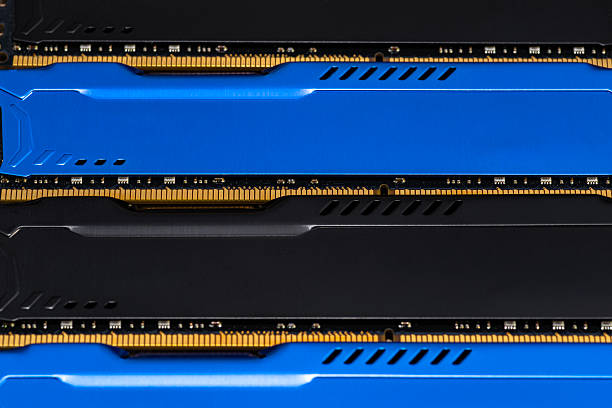
ASRock has unveiled a novel approach to curb DDR5 memory costs for systems based on Intel’s 600, 700, and 800-series chipsets. Their HUDIMM DDR5 modules use a Half Unbuffered (HUDIMM) design intended to slash chip counts and production costs. In exchange, the memory’s performance and bandwidth take a hit, which is the trade-off buyers would need to consider.
How HUDIMM differs from standard DDR5
- Standard DDR5 UDIMMs use two 32-bit subchannels, delivering a broader 64-bit data path.
- HUDIMM sticks condense this to a single 32-bit subchannel, effectively halving bandwidth and density.
This architectural shift is what enables lower manufacturing costs, letting ASRock offer more affordable memory alongside existing DDR5 options.
What the tech means in practical terms
- ASRock describes HUDIMM as a cost-reduction strategy that still targets flexible, approachable builds for enthusiasts and system integrators.
- Intel has publicly supported the concept, noting innovations like One sub-channel DRAM can help keep desktop systems accessible amid rising memory costs.
- The HUDIMM concept is designed to be compatible with Intel’s 600/700/800-series platforms, with ASRock collaborating with TeamGroup to bring HUDIMM sticks to market. Laptops will also gain HSODIMM variants, expanding the reach beyond desktops.
- Reports suggest other brands, including Asus, are exploring HUDIMM or similar approaches, which could signal a broader shift if the model gains traction.
A mixed performance picture
- The core drawback: HUDIMM’s reduced chip count and narrower data path translate to noticeably slower memory performance compared with standard DDR5 sticks.
- The approach can unlock cheaper memory options in a market where DDR5 pricing has surged, but you’re trading peak throughput for savings.
- In mixed configurations, HUDIMM can coexist with regular UDIMMs on the same motherboard. BIOS-level support enables asymmetrical dual-channel operation, so a HUDIMM alongside UDIMMs can participate in a combined channel setup.
- Theoretical examples show that pairing an 8 GB HUDIMM with a 16 GB UDIMM could, in some scenarios, outperform a single 24 GB UDIMM in aggregate bandwidth. Real-world results, however, will hinge on workloads and motherboard BIOS implementations.
- ASRock quotes a latency around 90 ns for HUDIMM, a figure that will be tested in hands-on benchmarks to determine practical impact on gaming, casual workloads, and memory-heavy tasks.
Is HUDIMM a practical long-term fix?
- HUDIMM offers a potential stopgap in a RAM market stressed by supply and price pressures. It’s not a cure for the underlying demand/supply crunch, but it provides a way to assemble functional, more affordable systems.
- For many buyers today, the choice may come down to whether they can live with reduced memory performance in exchange for lower upfront costs, especially if DDR5 prices remain volatile.
Bottom line ASRock’s HUDIMM DDR5 concept showcases a pragmatic response to inflated RAM prices by trimming memory complexity and cost. While performance is notably reduced, the approach could help builders get DDR5-enabled systems within budget ranges that might be out of reach with standard UDIMMs. If broader adoption follows, we could see more manufacturers exploring similar half-channel designs as the RAM market evolves.
[ASRock HUDIMM RAM image](/asrock-hudimm.jpg)